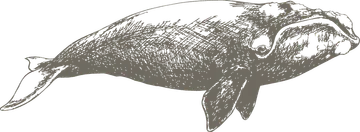
Southern right whale (Eubalaena australis)
Up to ~2,000 individuals visit the north Patagonian gulfs each season to breed and calve. A UNESCO World Heritage Natural Site.
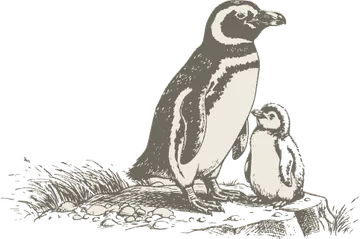
Magellanic penguin (Spheniscus magellanicus)
Over 500,000 individuals arrive each year. They are monogamous and tend to return to the same burrow year after year. The Estancia San Lorenzo colony (Punta Norte) is one of the largest continental colonies in the world.
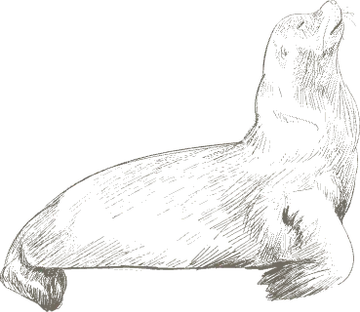
South American sea lion (Otaria flavescens)
Thousands of individuals live in Península Valdés year-round at colonies such as Punta Loma, Punta Pirámide and Punta Norte. They tend to move between colonies through the year, following their breeding cycle.
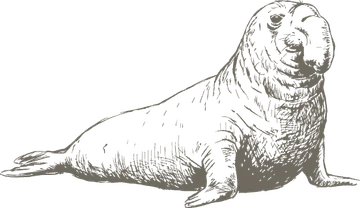
Southern elephant seal (Mirounga leonina)
Península Valdés is the only continental breeding site for this species in the world. Males can exceed 4 metres and 4 tonnes. They spend about 90% of their lives at sea, diving as deep as 1,600 m.
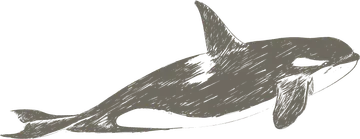
Orca (Orcinus orca)
Only around 30 individuals make up the local population. They are the only orcas in the world known to systematically practise "intentional stranding" — coming almost completely out of the water to hunt prey on the shore. This technique is passed down culturally from generation to generation, and not every individual in the group masters it.
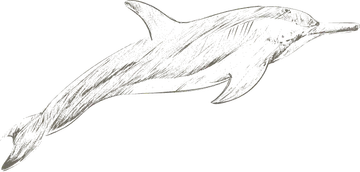
Dusky dolphin (Lagenorhynchus obscurus)
The dusky dolphin is the most common species in the waters of Península Valdés. It's usually seen mainly in the summer months, when groups are larger and more active. They're highly acrobatic and tend to approach boats.
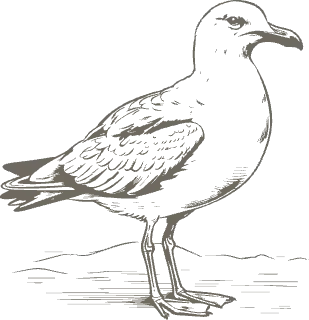
Kelp gull (Larus dominicanus) — the one in the engraving — along with cormorants, flamingos, terns, oystercatchers and rheas, among many others.
Isla de los Pájaros (San José Gulf, 800 m from the coast) has been a protected, no-entry zone since 1967. It's home to breeding colonies of more than 10 species. You can't go ashore, but it can be observed with binoculars from the mainland. Between September and April is usually when the highest number of birds gathers.
JANFEBMARAPRMAYJUNJULAUGSEPOCTNOVDEC
WhalesWhales — MAY: First arrivals. The first southern right whales tend to arrive in the Nuevo and San José gulfs. They're usually pregnant females in the final stretch of gestation and solitary individuals. Sightings are possible even though numbers are still low — ideal for a more intimate experience.Whales — JUN: Season begins. The official boat-based whale-watching season kicks off from Puerto Pirámides. Whales can often be found close to shore, though in smaller numbers than in peak months. Waters tend to be calm and groups smaller.Whales — JUL: Growing season. Numbers tend to increase week by week. A quiet month, with fewer visitors and better prices. Land-based sightings are also possible from a few points along the coast.Whales — AUG: High season begins. A noticeable rise in whale numbers across the gulfs. Social behaviours such as breaching, tail-slapping and courting groups — several males following one female — become more likely.Whales — SEP: Peak season. One of the best months of the year. Mothers with newborn calves and active courting groups are often seen at the same time. This is when most births are recorded — the odds of multiple sightings on a single outing are very high.Whales — OCT: Peak activity. Along with September, the height of the season. Calves already swim with ease and are often seen active alongside their mothers. Breaching and intense social behaviour are likely. Booking ahead is recommended.Whales — NOV: Active calves. Calves have grown considerably and often practise jumps and manoeuvres frequently. Adult numbers begin to drop, but those that remain are very active. Longer days and better light for photography.Whales — DEC: Season's end. The last whales tend to stay in the gulfs before starting their migration to feeding grounds in the South Atlantic. Mothers with well-developed calves are often seen preparing for the long journey.
PenguinsPenguins — JAN: Growing chicks. Colonies are usually in full swing. Chicks born in November grow under the alternating care of both parents, who take turns between the burrow and the sea to bring back food. One of the busiest times in the burrows.Penguins — FEB: Chick moult. Chicks tend to shed their grey down and grow their first juvenile plumage this month. A very photogenic time: thousands of individuals at different stages of the change. The most advanced chicks make their first trips to the sea.Penguins — MAR: Return to sea. Adults and juveniles tend to wrap up the season and head out to open water, following anchovy shoals north along the Atlantic — some reach as far as the coast of Brazil. Colonies gradually empty out.Penguins — SEP: Return to the colony. Males are usually the first to arrive, recognising and reconditioning the same burrow from the year before. Reunions between pairs that have bred together in previous seasons are common — they're monogamous and tend to keep the same partner for several years.Penguins — OCT: Laying and incubation. Each pair usually lays two eggs. Incubation takes around 42 days and both parents take turns at the nest. A visually quiet month, but with plenty of hidden activity in the burrows.Penguins — NOV: Chicks hatch. Eggs usually hatch during November. Chicks are born covered in grey down and depend entirely on their parents. Colonies reach their peak density and tend to be loud and lively.Penguins — DEC: Chicks in full growth. Chicks grow quickly. Colonies are usually full of movement: parents coming and going from the sea, chicks waiting in the burrows, youngsters venturing out to explore. A good month to watch parental dynamics.
Sea lionsSea lions — JAN: Newborn pups. Pups are usually born between January and February, with a distinctive black coat. The colonies are very active: nursing mothers, fights between males and first swimming lessons are all likely to be seen.Sea lions — FEB: Peak of pupping. Births usually reach their peak. The orcas of Punta Norte take advantage of this moment to hunt — intentional stranding is more frequent during this period. One of the busiest months across the whole Peninsula.Sea lions — MAR: Pups learning to swim. Pups a few weeks old start swimming under their mother's watch. Orcas tend to remain active at Punta Norte. Colonies hold a high density of animals of all ages.Sea lions — APR: Settled families. Pups already swim more confidently, though still nursing. Orca pressure tends to ease off. A good time to watch the group's social dynamics with relative calm.Sea lions — MAY: Quiet season. Colonies stay active. Males and females alternate feeding trips at sea with rest periods on land. There are usually fewer tourists than in summer, which makes for easier viewing.Sea lions — JUN: Constant presence. Sea lions are the Peninsula's most consistent species. In winter, young males and some resting or returning adults tend to predominate.Sea lions — JUL: Winter residents. Colonies are never completely empty. Cold gulf waters favour fishing, and sea lions are often more active in the water than on land.Sea lions — AUG: Males preparing. Adult males usually start approaching the breeding colonies. Early territorial disputes begin to appear. Social activity starts building towards spring.Sea lions — SEP: Growing activity. Social dynamics intensify. Dominant males start marking and defending their territories with roars and threatening postures. Females that were pregnant the year before tend to arrive at the colonies.Sea lions — OCT: Colonies on the move. Colonies are usually very crowded. Fights between males over territory and females caring for last year's pups are common. High visual activity across the whole colony.Sea lions — NOV: Breeding prelude. Dominant males usually already have their territories set. Females gather at the breeding colonies. Harems will start forming in the coming weeks.Sea lions — DEC: Harems and mating. Males usually form harems of 2 to 12 females. Fights between males are frequent and intense. Females give birth a few days after arriving and are usually fertilised again about a week after giving birth.
Elephant sealsElephant seals — JAN: Catastrophic moult — females. Adult females usually return to shore for the "catastrophic moult": they shed hair and skin in whole patches. They stay almost motionless for around five weeks. The largest number of moulting females is usually recorded between mid-December and mid-January.Elephant seals — FEB: Moult — males. Adult males usually come ashore for their own moult. Large groups of still animals renewing their skin on the sand are a common sight. Once done, they head back to the ocean for several months.Elephant seals — MAR: Moult underway. Adult males are usually finishing their moult during March. Beaches can hold animals at different stages of the process. Once finished, individuals head out to sea, where they'll feed for 7 or 8 months.Elephant seals — APR: Gradual return to sea. Most individuals usually finish moulting and leave. Elephant seals head into the ocean, diving as deep as 2 hours at a time. The coast starts to empty out gradually.Elephant seals — MAY: Low presence. Most of the population is usually at sea. It's possible to see a few juveniles or out-of-cycle individuals on the beaches of Caleta Valdés or Punta Norte, though this isn't the most likely time to find them.Elephant seals — JUN: Out at sea. Elephant seals spend most of the year at sea. In winter they're usually in full feeding mode, thousands of kilometres from the coast. Presence on land is very limited during this period.Elephant seals — JUL: Out at sea. Pelagic feeding phase. They feed mainly on fish and cephalopods, sometimes travelling more than 2,000 km from the Peninsula. Animals on shore are unlikely.Elephant seals — AUG: First males return. Towards the end of August, the first adult males usually start arriving on the coast. The breeding season begins. Arrivals happen gradually, and activity will keep growing through September.Elephant seals — SEP: Breeding peak. The concentration of animals in the colonies is usually impressive. Pups are born after 10 months of gestation. Males fight for control of the harems. Caleta Valdés (Punta Cantor) and Punta Delgada are the best viewing spots.Elephant seals — OCT: Pups and orcas. Pups are usually nursed for about three weeks, gaining up to 5 kg a day. The orcas of Caleta Valdés take advantage of the pups' presence to hunt. October is often the month of the most simultaneous activity across the whole Peninsula.Elephant seals — NOV: Weaning and dispersal. Mothers usually leave the beach, forcing weaning. Pups are left on their own and begin learning independence. A good time to visit: active animals and milder weather than the previous months.Elephant seals — DEC: Moult begins — females. The first adult females usually start returning to shore to begin their moult. It's the start of a cycle that will run through April with the males. The colony enters a new phase.
OrcasOrcas — JAN: Orcas at Punta Norte. Orcas usually start patrolling the coast of Punta Norte, timed with the peak of sea lion pup numbers. Sightings are possible, though the peak hunting season hasn't quite arrived yet.Orcas — FEB: Intentional stranding — high season. Sea lion pups a few weeks old are learning to swim and are more vulnerable. Orcas tend to perform intentional strandings more frequently this month. High tide timing is key to the odds of a sighting.Orcas — MAR: Peak activity — Punta Norte. Usually the best month to see intentional stranding. Orcas, identifiable by their unique dorsal fins, work as a family. Only some individuals in the group master this technique, which makes every sighting unpredictable but unique.Orcas — APR: Activity declining. The frequency of strandings tends to drop. Sea lion pups already swim better and are harder prey. Orcas are still around, but the stranding spectacle is less likely than in February–March.Orcas — MAY: Transition. Orcas tend to move away from Punta Norte towards the end of May. Some individuals may occasionally be seen in open water. The end of the season in this area until next summer.Orcas — SEP: Orcas at Caleta Valdés. Orcas usually reappear, this time at Caleta Valdés, where elephant seals already have pups on shore. The hunting strategy changes: instead of stranding, they tend to ambush pups in shallow water near the shore.Orcas — OCT: High season at Caleta Valdés. Usually the month of highest orca activity at Caleta Valdés, coinciding with the elephant seal breeding season. Encounters are unpredictable, but the odds of a sighting are higher than in other months.Orcas — NOV: Active orcas. Orcas usually remain present at Caleta Valdés through November. Occasional attacks on dolphins have also been recorded. The simultaneous presence of whales, orcas and elephant seals often makes this one of the richest months for wildlife.Orcas — DEC: Season's end. Orcas tend to move away from Caleta Valdés towards December. Occasional sightings are still possible, but the intense hunting activity has usually passed. Elephant seal pups are already bigger and harder to hunt.
DolphinsDolphins — JAN: High season. Dusky dolphin groups tend to be larger in summer. Sightings from shore in the gulfs or during boat excursions are likely. They often perform frequent acrobatic jumps and tend to swim close to boats.Dolphins — FEB: Peak presence of the year. Usually the month with the best odds of a sighting. Dolphins feed on anchovies and sardines, abundant in the gulfs at this time. Groups of dozens — sometimes hundreds — of individuals can be found.Dolphins — MAR: End of high season. Sightings tend to remain frequent, though they start declining towards autumn. A good time to combine dolphin watching with sea lions and other species still active.Dolphins — DEC: Summer return. With the start of summer, dusky dolphin groups usually start gathering again in the gulfs. Their presence grows week by week. They can be spotted during whale-watching outings still active in the area.
BirdsBirds — JAN: Cormorant chicks. Cormorants are usually in full breeding mode. Chicks being fed by both parents on the cliffs of Isla de los Pájaros are a likely sight. Southern flamingos are usually present in the inland wetlands.Birds — FEB: Juveniles at sea. Cormorant chicks usually make their first trips to sea this month. Many gull and tern species stay active all along the coast. High diversity observable from shore.Birds — MAR: Coastal birds in transition. Some migratory species usually head north. Resident birds — cormorants, oystercatchers, gulls — stay active year-round. Rheas and tinamous are common on the Peninsula's inland steppe.Birds — APR: Migratory shorebirds. The passage of migratory shorebirds from the northern hemisphere (plovers, sandpipers) usually begins, using the Peninsula as a stopover on their way south. They're likely to be found on the gulf beaches at low tide.Birds — MAY: Autumn with residents. Usually only resident species remain. Cormorants stay active on the cliffs. Flamingos are common on the inland lakes and lagoons. Patagonian wind and autumn light can make for interesting photography conditions.Birds — JUN: Austral winter. The Peninsula's resident birds are still present. Imperial cormorants are often seen in groups perched on the cliffs. Oystercatchers patrol the tidal flats looking for molluscs. Accessible sightings, without tourist crowds.Birds — JUL: Wintering seabirds. Some species, such as petrels, tend to come closer to shore in winter. A good month for seabird watching from land, especially from the cliffs of Golfo Nuevo.Birds — AUG: Spring prelude. Resident birds usually pick up activity towards the end of winter. Cormorants start preparing nests on Isla de los Pájaros. Days grow longer and temperatures start to rise.Birds — SEP: Nesting on Isla de los Pájaros. Seabirds enter full breeding mode on Isla de los Pájaros. Cormorants, gulls, oystercatchers and terns building and defending nests are a likely sight. The first Magellanic penguins also arrive.Birds — OCT: Highest diversity of the year. Usually the month with the most birdlife activity. Isla de los Pájaros holds tens of thousands of birds in its colonies. The best times to watch are dawn (heading out to sea) and dusk (returning to the nest). Binoculars recommended.Birds — NOV: Chicks everywhere. Cormorant, gull, oystercatcher and tern chicks are all likely to be seen at once. Isla de los Pájaros and the coastal cliffs are in full swing. High concentration of individuals — September to April is usually the busiest stretch of the year.Birds — DEC: Birdwatching summer. Breeding activity continues. Southern flamingos are usually common in the inland wetlands. Terns fish actively in the gulfs. One of the best months to see a wide diversity of species in a single day.